Professional Logo Design Services in Kerala
Your logo is the face of your brand. As the top logo designers in Ernakulam, we create stunning logo design art that captures your business’s essence. While a logo design free template or a logo design ai generator might seem quick, they can’t match the unique, strategic design from a professional.Custom Logo Design Packages for Every Business
We offer clear and affordable logo design package options. Unlike generic logo design online services, we provide a complete solution. Our packages include multiple concepts, revisions, and all the final files you need for print and web. We are the logo designers near me in Kerala that deliver professional results, every time.
Our Logo Design Process
- Discovery: We learn about your business, target audience, and vision.
- Concept: We create several unique logo design concepts for you to review.
- Refinement: We work with your feedback to perfect the chosen design.
- Delivery: You receive a complete logo design package with high-resolution files.
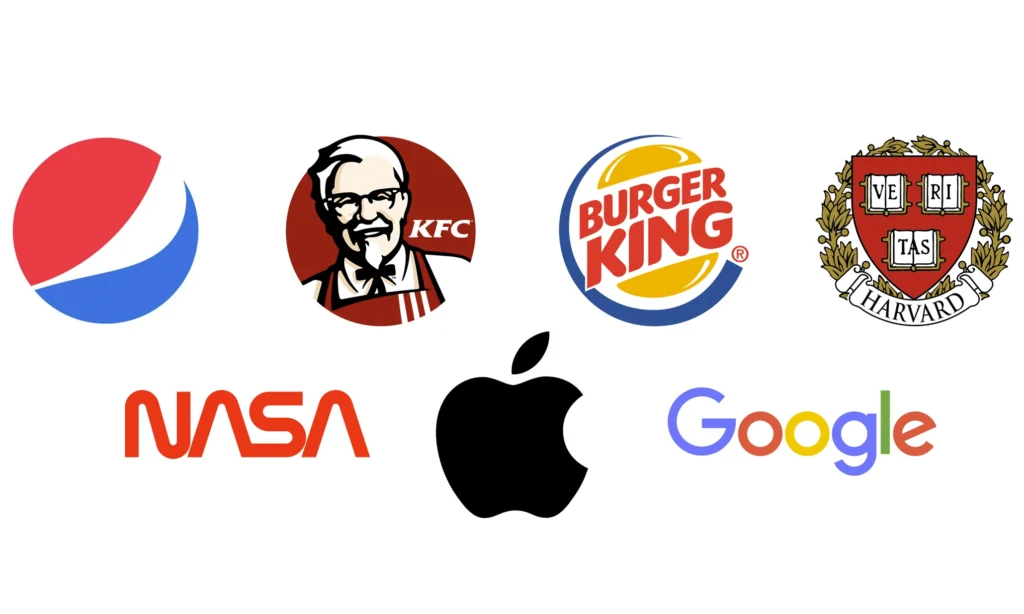
Logo design is the art of distilling ideas into their simplest visual form-a pictorial mark that carries the weight of meaning and identity. A strong logo doesn’t just decorate; it communicates, persuades, and lingers in the mind.
Understanding Logo Design: Importance and Purpose
Logo design plays a pivotal role in the realm of branding, serving as the visual cornerstone of a brand’s identity. A well-crafted logo encapsulates the essence of a business, symbolizing its values, mission, and personality in a single image. This iconic representation allows customers to recognize and differentiate a brand in a saturated marketplace, thereby establishing a connection that can endure over time.
The psychology behind logos is equally crucial. Effective logo design engages viewers on an emotional level, prompting immediate recognition and recall. Different shapes, colors, and fonts evoke varied feelings; for instance, rounded shapes often appear more friendly and approachable, while sharp lines suggest professionalism and efficiency. By understanding these psychological triggers, designers can create logos that not only catch the eye but also resonate deeply with the target audience, fostering a sense of loyalty and trust.
In addition to enhancing visibility and emotional engagement, logos convey a sense of credibility and professionalism. A thoughtfully designed logo can instill confidence in consumers, suggesting that a brand is reliable and established. Conversely, a poorly designed or inconsistent logo may lead to perceptions of un professionalism, potentially hindering customer acquisition and retention. Consistency in logo usage across all branding platforms reinforces recognition and reliability, further solidifying the brand’s presence in the minds of consumers.
In conclusion, the significance of logo design extends beyond aesthetics; it is an essential tool for building a brand’s identity and instilling trust within the market. By leveraging the psychological elements of design, businesses can create impactful logos that foster recognition, emotional connections, and long-lasting impressions on their audience. An awareness of these components enhances the overall effectiveness of logo design, making it an indispensable aspect of branding strategy.
Key Elements of Effective Logo Design
Creating a successful logo involves understanding several critical components that significantly influence brand perception and communication. One of the most essential elements is color theory. Colors evoke emotions and associations; for instance, blue often conveys trust and professionalism, while red can express excitement and passion. A thoughtful selection of color not only reflects the brand’s identity but also ensures that it resonates with the target audience. When applied strategically, color can significantly enhance the visual appeal and memorability of a logo.
Another crucial aspect of effective logo design is typography. The choice of font can transform a logo’s impact, as typefaces carry different connotations. Serif fonts, with their traditional appearance, may communicate reliability, while sans-serif fonts often feel more modern and approachable. Mixing typefaces requires a careful balance to maintain clarity and coherence. Therefore, the typography must align with the overall brand message, ensuring that it reinforces the intended persona of the business.
Shape dynamics also play a pivotal role in logo design. The geometric forms utilized in logos can evoke specific feelings and associations. For instance, circular logos typically convey community and unity, while angular shapes suggest stability and professionalism. Additionally, effective logos often adhere to the principles of simplicity and scalability. A simple design is not only easier to recognize but also versatile across various applications, from business cards to billboards. Iconic logos like Apple and Nike embody these principles, demonstrating how straightforward designs can create lasting impressions.
Overall, a successful logo synthesizes color, typography, and shape to capture the essence of a brand and convey it effectively to the audience. By prioritizing these key elements, designers can craft logos that stand the test of time and resonate deeply with consumers.
The Logo Design Process: Steps to Success
The logo design process is a systematic approach that involves multiple steps, ensuring the creation of a logo that communicates the desired brand identity effectively. The journey begins with thorough research and brainstorming. This phase is crucial as it allows designers to gather insights about the brand, its target audience, and the competitive landscape. Understanding these elements aids in formulating the underlying message that the logo will convey.
Once the initial research is complete, designers move on to sketching initial ideas. This stage is essential for visualizing concepts and exploring various representations of the brand. Sketching encourages creativity, enabling designers to experiment with shapes, symbols, and typography, ultimately leading to a range of logo concepts that can be evaluated in subsequent steps.
Feedback and revisions play a fundamental role in refining these concepts. Sharing sketches with stakeholders invites constructive criticism, allowing designers to identify strengths and weaknesses in their ideas. This iterative process fosters collaboration and encourages the incorporation of different perspectives, which can significantly enhance the design’s effectiveness. Revisions can lead to more refined concepts and ensure that the logo aligns with the brand’s objectives and values.
The transition to digital design marks a pivotal moment in the logo creation process. Utilizing design software allows for precision, scalability, and versatility. Programs such as Adobe Illustrator are commonly employed to create high-quality digital logos that can be adapted for various applications, from print materials to online platforms. Designers must consider how the logo will function across different media, ensuring that it remains recognizable and impactful regardless of the context.
In conclusion, the logo design process is a comprehensive journey that combines creativity with strategic thinking. From initial research to digital refinement, each step contributes to crafting a logo that leaves a lasting impression on the audience.
Common Mistakes to Avoid in Logo Designing
Designing a logo is a complex task that requires a balance of creativity and strategy. Many designers, however, fall into certain common pitfalls that can detract from the effectiveness of their designs. One prevalent mistake is overcomplicating the design. A logo should be straightforward and easily recognizable. When elements such as colors, shapes, and fonts are cluttered, it can lead to confusion. Simplicity, on the other hand, aids in creating a memorable logo that resonates with viewers.
Another critical error is neglecting the target audience. A designer must always consider who will be viewing the logo. Failing to understand and cater to the preferences of the audience can result in a logo that misses the mark entirely. Researching the target demographic and incorporating elements that appeal to them can significantly enhance the logo’s effectiveness.
Additionally, ensuring versatility across different media platforms is vital for a successful logo design. A logo must look just as good on a business card as it does on a billboard or digital platform. Designers often overlook this aspect, creating logos that are either too detailed or not scalable, thereby limiting their usability. A well-designed logo should maintain its integrity regardless of size or format.
Originality in logos is essential to prevent the risks associated with using clichés. While it can be tempting to rely on familiar design tropes, overly used symbols or styles can dilute a brand’s identity and make the logo forgettable. Striving for innovation while still adhering to industry standards will set a logo apart from competitors.
By being aware of these common mistakes, designers can refine their approach and create impactful logos that leave a lasting impression.
Look around and you’ll notice how many logos demand your attention. Take McDonald’s: a plain golden “M,” yet instantly recognized worldwide as a symbol of food, comfort, and hunger satisfied. Or Myntra’s playful, colorful logo-designed with intention to appeal to a particular audience and, in doing so, becoming a cultural marker. The emblems of BMW, Ferrari, and Volkswagen, meanwhile, showcase elegance and precision, each echoing their brand’s legacy of luxury and engineering excellence. These aren’t just images; they are condensed stories.
A logo reflects more than aesthetics. It conveys a brand’s standards, personality, and at times, its values. Consider the idea for a psychology clinic: a tree with visible roots. The groundedness of the tree becomes a metaphor for the stability and support a psychologist offers their clients. Even the simplest mark can be profound. Think of the Nike “swoosh”-a single tick-like sign that captures speed, readiness, and momentum. It’s a reminder that minimal strokes can carry monumental messages.
This is the true power of logo design: it transforms beauty into symbolism, shapes into stories, and letters into legacies. What sets a remarkable logo apart isn’t its color palette or curves alone, but the subtext-the layer of meaning that makes it resonate with people long after the first glance.